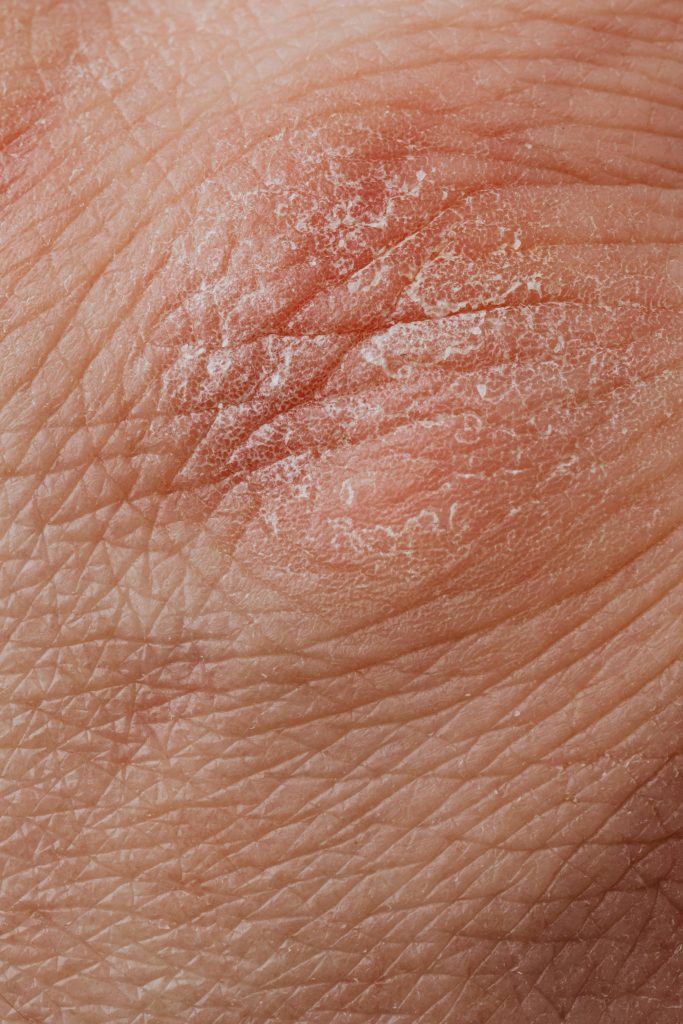
Many people assume dry skin and dehydrated skin are the same — but they’re not. Treating the wrong condition can actually make your skin worse, not better.
Understanding the difference helps you choose the right products, avoid irritation, and get real results instead of temporary relief.
What Is Dehydrated Skin?
Dehydrated skin lacks water, not oil.
It’s a condition — meaning any skin type (even oily or acne-prone) can be dehydrated.
Common signs of dehydrated skin:
-
Tightness, especially after cleansing
-
Fine lines that appear suddenly
-
Dull or crepey texture
-
Skin that feels oily but still uncomfortable
-
Makeup settling into lines
Dehydration often comes from:
-
Over-cleansing or over-exfoliating
-
Using too many active ingredients
-
Skipping moisturizer because of acne
-
Cold weather, indoor heat, or sun exposure
-
Not drinking enough water
What Is Dry Skin?
Dry skin lacks oil (lipids).
This is a skin type, not a temporary condition.
Common signs of dry skin:
Dry skin is often genetic, but can worsen with:
-
Harsh cleansers
-
Hot showers
-
Aging
-
Environmental exposure
Key Differences at a Glance
-
Dehydrated skin: lacks water, can happen to anyone
-
Dry skin: lacks oil, usually consistent over time
-
Dehydrated skin often feels tight and oily at the same time
-
Dry skin usually feels rough, flaky, and never oily
How to Treat Dehydrated Skin
Focus on hydration and barrier support — not stripping.
What helps:
-
Gentle, non-foaming cleansers
-
Hydrating serums with humectants
-
Lightweight but consistent moisturizers
-
Reducing exfoliation and active overload
What to avoid:
Hydration first — actives later.
How to Treat Dry Skin
Dry skin needs lipids, not just water.
What helps:
-
Cream-based cleansers
-
Richer moisturizers with barrier-supporting ingredients
-
Consistent moisturizing morning and night
-
Protecting the skin from wind and cold
Dry skin still needs hydration — but oil is the priority.
Why This Matters for Acne-Prone Skin
Many acne clients are dehydrated, not oily.
When skin lacks water:
-
Oil production can increase
-
Breakouts become inflamed
-
Treatments feel harsh or irritating
This is why acne-safe, barrier-first routines are so important — especially during corrective programs like Acne Bootcamp.
FAQs
Can my skin be dry and dehydrated at the same time?
Yes. This is very common, especially in colder months or with overuse of actives.
Will drinking more water fix dehydrated skin?
It helps, but topical hydration and barrier repair are still necessary.
Should I stop actives if my skin is dehydrated?
Often, yes — at least temporarily. Repair first, then reintroduce slowly.