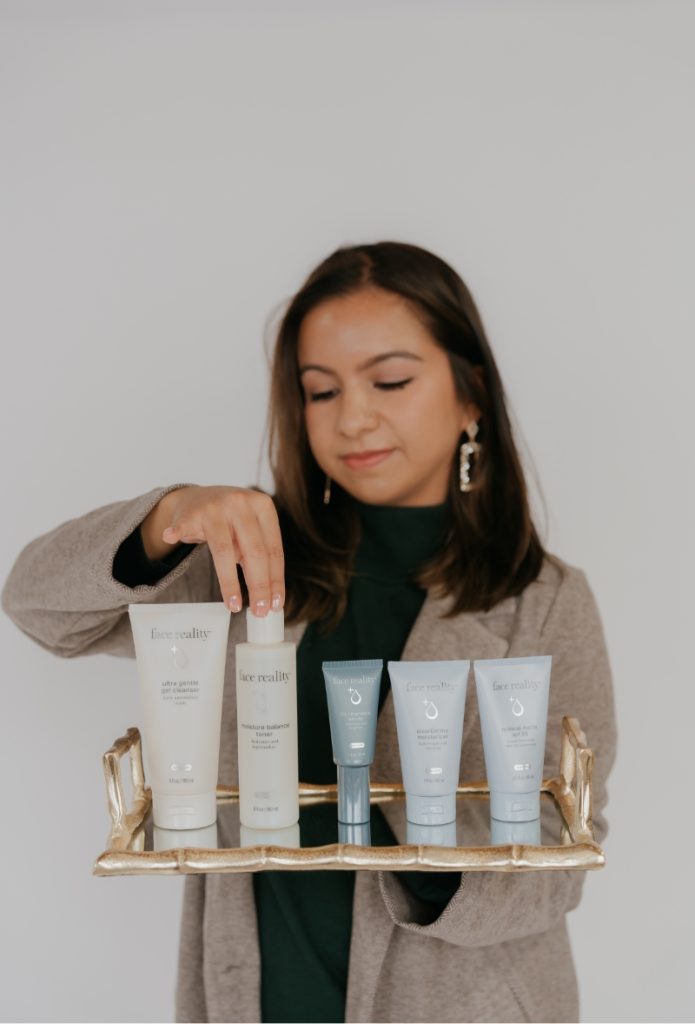
“Customized skincare” is one of the most overused phrases in the esthetics world — and one of the most misunderstood.
Many people assume customization means choosing a few products based on skin type. In reality, true customized skincare treatments go much deeper than that.
Here’s what customization actually looks like when it’s done professionally.
Customization Starts With the Skin — Not the Menu
A truly customized facial is not chosen from a fixed list of treatments.
Instead, the treatment is built after assessing:
-
Current skin condition
-
Level of inflammation
-
Barrier health
-
Congestion vs. active breakouts
-
Sensitivity and reactivity
-
Lifestyle and routine consistency
Two clients with “acne” rarely need the same approach.
Products Are Chosen Based on Function, Not Trend
In professional settings, customization means selecting products based on what the skin needs today, not what’s popular or aggressive.
That may include:
-
Barrier-repair focused steps
-
Anti-inflammatory ingredients
-
Gentle exfoliation (or none at all)
-
Hydration-first protocols
-
Targeted extractions only when appropriate
Sometimes the most effective treatment looks simple — because it’s intentional.
Treatment Steps Change From Visit to Visit
One of the biggest differences between a standard facial and customized skincare treatments is adaptability.
A customized facial evolves based on:
-
How your skin responded last time
-
What’s happening seasonally
-
Changes in stress, hormones, or routine
-
Progress — or setbacks
Customization is ongoing, not a one-time decision.
Tools and Techniques Are Adjusted Per Client
Customization isn’t just about products — it’s about how they’re used.
This can include:
-
Adjusting massage techniques
-
Modifying pressure and duration
-
Choosing calming vs. stimulating methods
-
Skipping steps that may overload the skin
More is not always better. Precision matters more than intensity.
Home Care Is Part of the Customization
Professional treatments work best when paired with a routine that supports them.
Customized skincare treatments often include:
-
Simplifying an overcomplicated routine
-
Removing products that disrupt progress
-
Introducing changes gradually
-
Aligning home care with in-clinic treatments
Without this alignment, results are inconsistent.
Why Customization Matters for Long-Term Skin Health
Skin is dynamic. It changes with:
-
Time
-
Environment
-
Stress
-
Hormones
-
Consistency
A customized approach respects that change instead of forcing the skin into a fixed protocol.
This is why personalized treatments outperform one-size-fits-all facials over time.
Final Thoughts
Customized skincare treatments are not about doing everything — they’re about doing the right things, at the right time, for the right skin.
When treatments are tailored intentionally, skin becomes calmer, stronger, and more responsive — which is where real results begin.