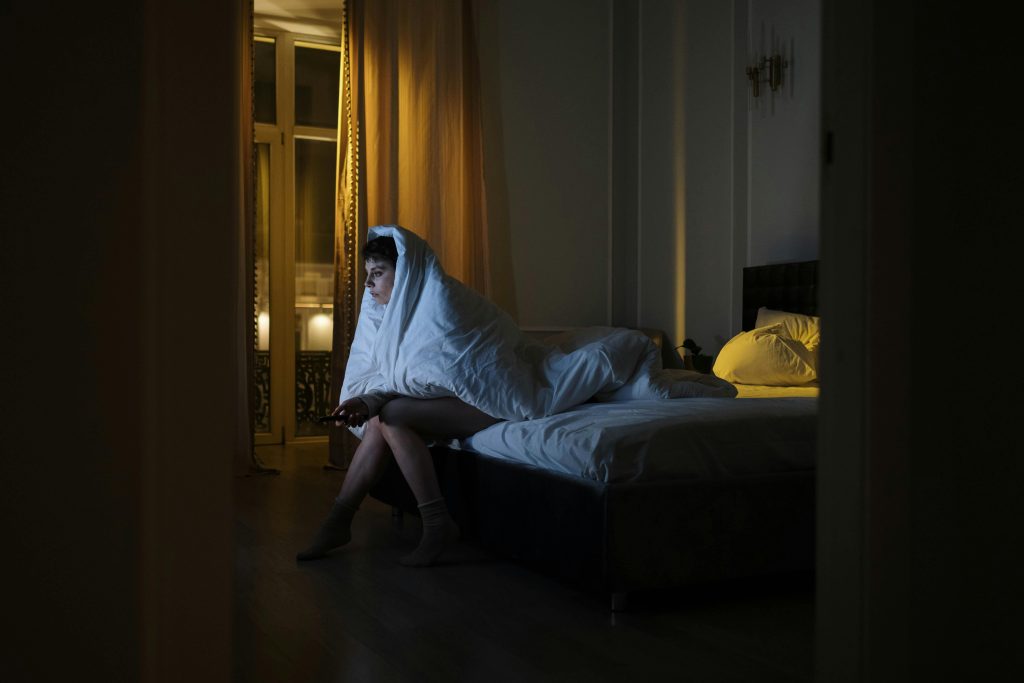
Skincare products can only do so much.
You can have:
- expensive serums
- professional treatments
- a perfect routine
…but if your body is constantly running on low sleep, your skin usually shows it.
And no, it’s not just about dark circles.
Sleep affects:
- inflammation
- healing
- oil production
- stress hormones
- skin barrier function
- breakouts
- overall skin tone and texture
Your skin is often one of the first places burnout shows up.
What Happens to Your Skin When You Don’t Sleep Enough
When your body is sleep-deprived, stress hormones like cortisol increase.
Higher cortisol levels can contribute to:
- increased oil production
- inflammation
- slower healing
- acne flare-ups
At the same time, your skin has less opportunity to repair itself overnight.
That combination can leave skin looking:
- dull
- irritated
- dehydrated
- puffy
- inflamed
Breakouts and Sleep Are More Connected Than People Think
Many people focus only on:
- products
- facials
- treatments
But lifestyle habits matter too.
Poor sleep can:
- worsen stress-related acne
- increase skin picking tendencies
- slow post-breakout healing
- make inflammation linger longer
If your skin constantly feels reactive or “stuck,” your sleep habits may be playing a role.
Your Skin Barrier Needs Recovery Time Too
Your skin barrier works hard all day dealing with:
- UV exposure
- pollution
- sweat
- bacteria
- makeup
- environmental stress
Sleep is when your body shifts into repair mode.
Without enough recovery time, your skin barrier may struggle to stay balanced—which can lead to:
- sensitivity
- dehydration
- irritation
- persistent redness
The “Tired Look” Is More Than Just Dark Circles
People often associate lack of sleep with under-eye bags, but it can affect your entire face.
Sleep deprivation can contribute to:
- dull complexion
- uneven skin tone
- puffiness
- dry patches
- increased fine lines
- slower skin turnover
Over time, it becomes harder for skin to maintain that healthy, rested look.
Can Better Sleep Improve Your Skin?
For many people, yes.
Improving sleep habits may help:
- calm inflammation
- support healing
- improve skin hydration
- reduce stress-related breakouts
- improve overall skin appearance
It’s not an overnight miracle—but it’s one of the most overlooked parts of skin health.
What Actually Helps
Your skin usually responds best to:
- consistent sleep schedules
- hydration
- stress management
- daily SPF
- gentle skincare routines
- professional guidance when needed
No product can fully replace proper recovery.
The Bottom Line
Your skincare routine matters—but your lifestyle matters too.
If your skin constantly looks:
- inflamed
- tired
- reactive
- dull
…it may not just be your products.
Sometimes your skin is simply asking for rest.
FAQ
Does lack of sleep cause acne?
Lack of sleep can increase stress hormones and inflammation, which may contribute to breakouts and slower healing.
Can sleep affect your skin barrier?
Yes. Sleep supports your body’s repair processes, including skin barrier recovery.
Why does my skin look worse when I’m tired?
Poor sleep can contribute to dullness, puffiness, dehydration, and inflammation.
How much sleep is best for healthy skin?
Most adults benefit from 7–9 hours of sleep for overall health, including skin health.
Healthy skin is about more than products—it’s about supporting your body as a whole.